Sub-Total: $0.00
Uncategorized
Peptide Purity 101: A Beginner’s Guide to Mastering Lab Analysis
The chemical integrity of synthetic peptides serves as the foundation for all reproducible laboratory research. In the field of biotechnology, peptide purity refers specifically to the percentage of the target peptide sequence relative to all other UV-absorbing impurities. Achieving a high degree of purity is a rigorous process involving multiple stages of synthesis, purification, and…
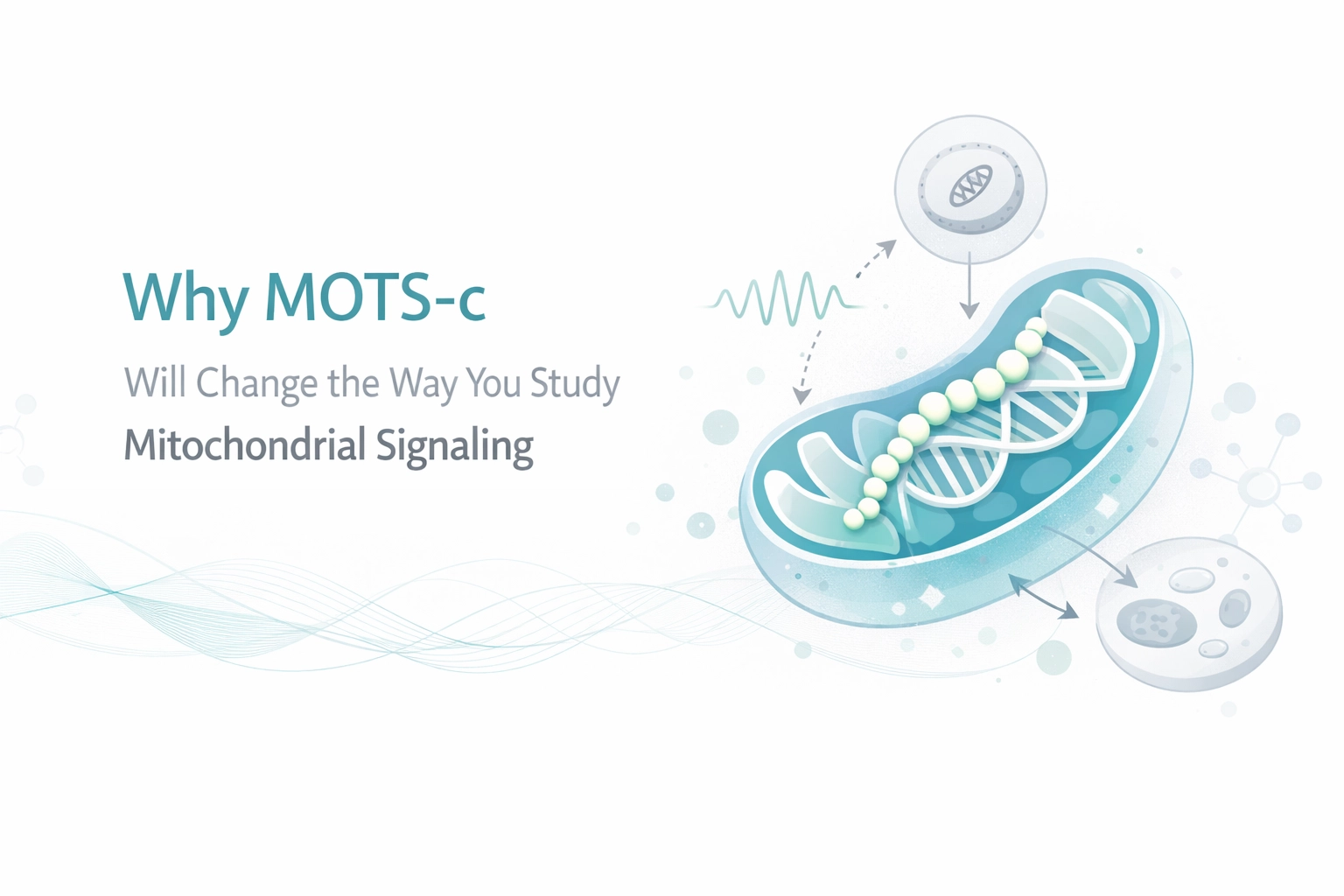
Why MOTS-c Will Change the Way You Study Mitochondrial Signaling
Technical Specifications Product Name: MOTS-c Full Chemical Name: Mitochondrial Open Reading Frame of the 12S rRNA Type-c Molecular Formula: C₁₀₁H₁₅₂N₂₈O₂₂S₂ Molecular Weight: 2174.63 g/mol Amino Acid Sequence: Met-Arg-Trp-Gln-Glu-Met-Gly-Tyr-Ile-Phe-Met-Cys-Ser-Ser-Asp-Ala (MRWQEMGYIFYPRKLR) Purity: >99% (High-Performance Liquid Chromatography) Format: Lyophilized powder Storage: Store at -20°C for long-term stability. Overview of Mitochondrial Signaling Evolution Mitochondria have long been characterized primarily…

RTA-3: The Next Frontier in Metabolic Research and Triple Agonist Dynamics
Technical Specifications Molecular Formula: C₂₂₁H₃₄₂N₅₂O₇₁ Molecular Weight: 4731.33 g/mol Sequence: Y-[Aib]-EGTFTSDYSILDKIQAKEFVQWLIAGGPSSGAPPPS (with specific fatty acid acylation) CAS Number: 2381089-83-2 Target Receptors: GIPR (Glucose-dependent insulinotropic polypeptide receptor), GLP-1R (Glucagon-like peptide-1 receptor), and GCGR (Glucagon receptor) Format: Lyophilized powder for laboratory research Overview of Triple Agonist Mechanisms RTA-3 (LY3437943) represents a significant shift in the study of…
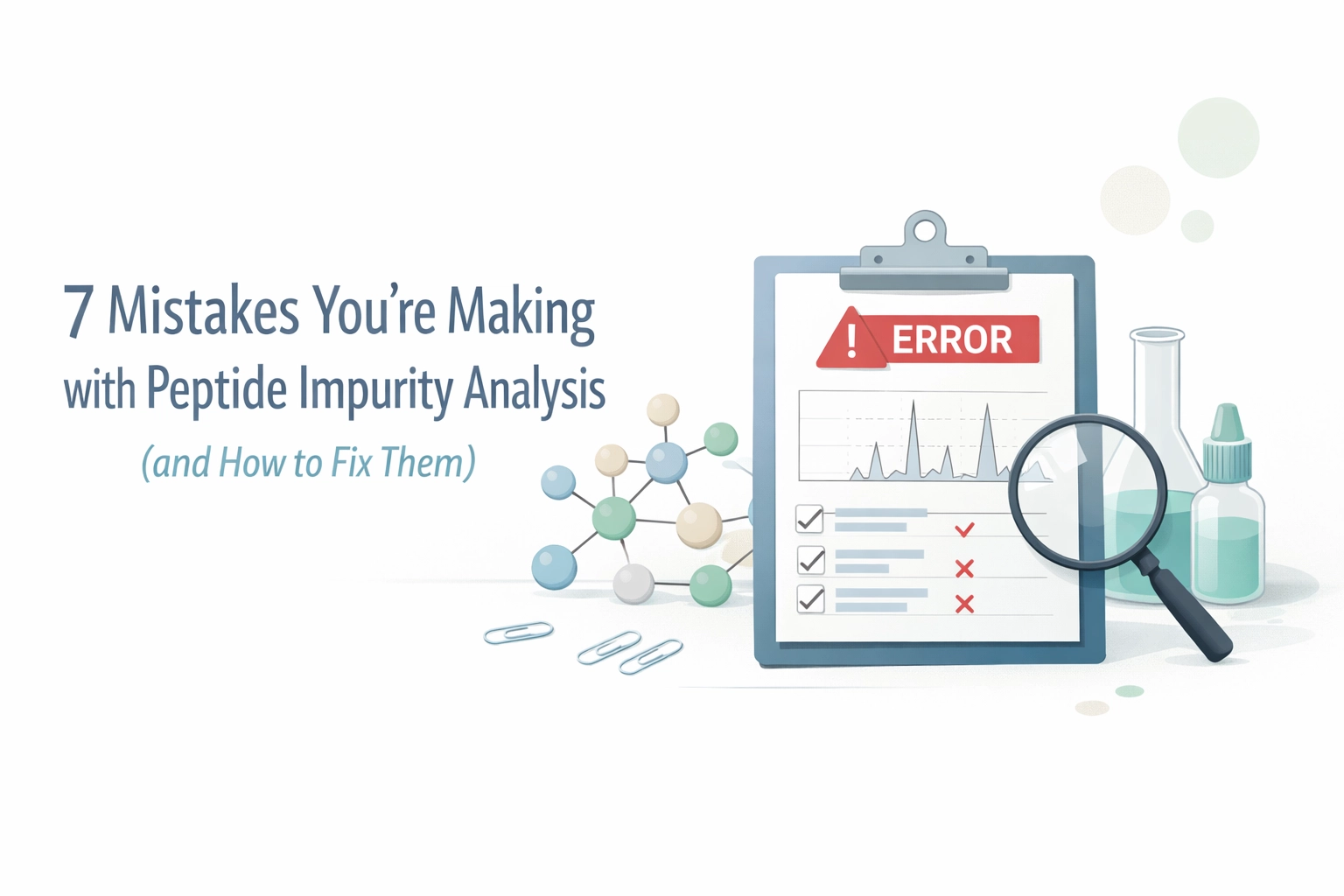
7 Mistakes You’re Making with Peptide Impurity Analysis (and How to Fix Them)
The characterization of synthetic peptides is a critical phase in biochemical research, where the identification of impurities directly influences the validity of experimental outcomes. While Liquid Chromatography-Mass Spectrometry (LC-MS) remains the gold standard for assessing peptide research materials, the complexity of peptide sequences: often involving post-translational modifications or synthetic artifacts: frequently leads to analytical errors.…
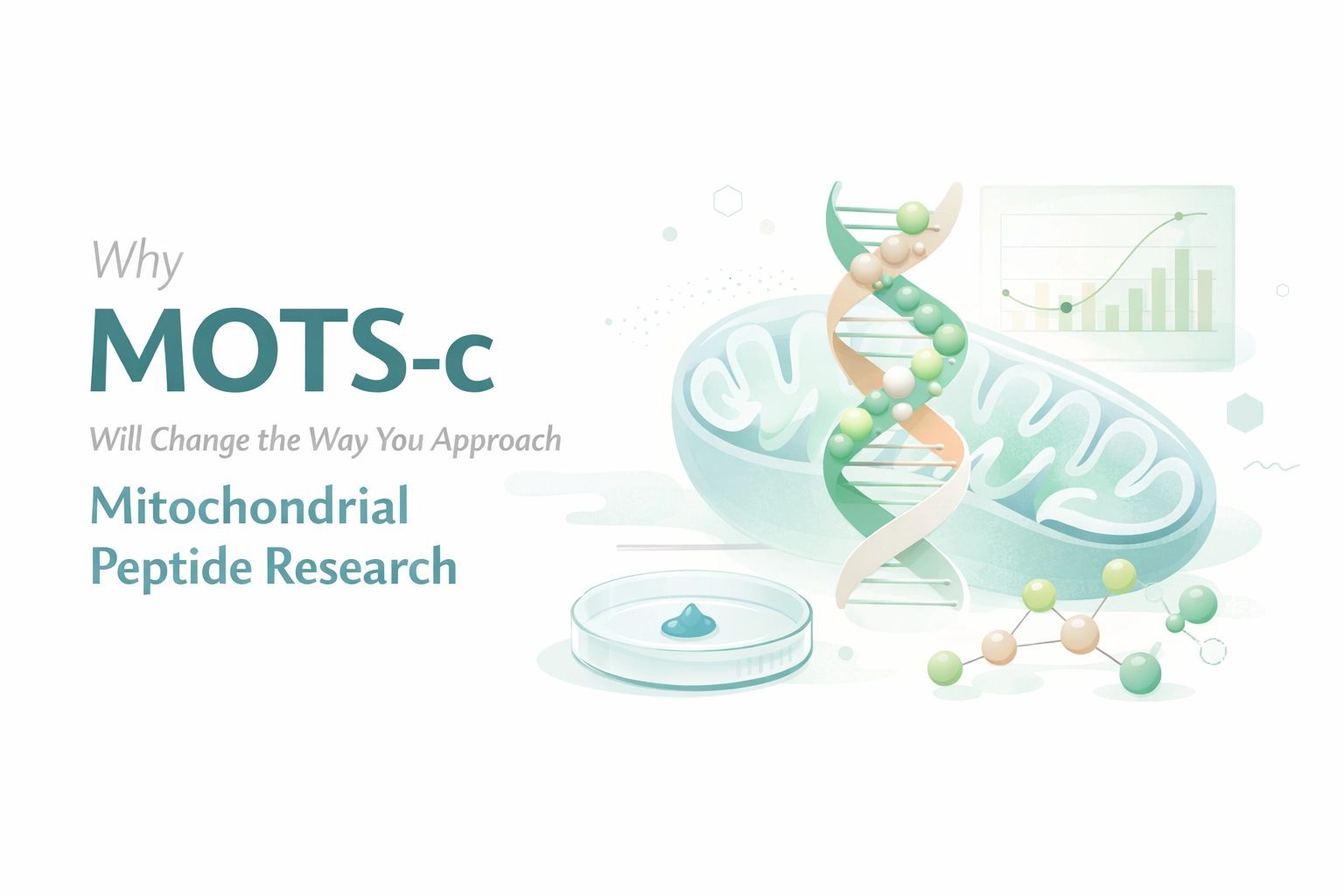
Why MOTS-c Will Change the Way You Approach Mitochondrial Peptide Research
Technical Specifications Molecular Formula: C101H152N28O22S2 Molecular Weight: 2174.6 g/mol Sequence: MRWQEMGYIFYPRKLR (Met-Arg-Trp-Gln-Glu-Met-Gly-Tyr-Ile-Phe-Tyr-Pro-Arg-Lys-Leu-Arg) Purity: >98% (Assessed via HPLC and Mass Spectrometry) Physical State: Lyophilized white powder Solubility: Soluble in water or bacteriostatic water Classification: Mitochondrial-Derived Peptide (MDP) The Evolution of Mitochondrial Genomic Research The traditional understanding of the mitochondrial genome was previously limited to its role…
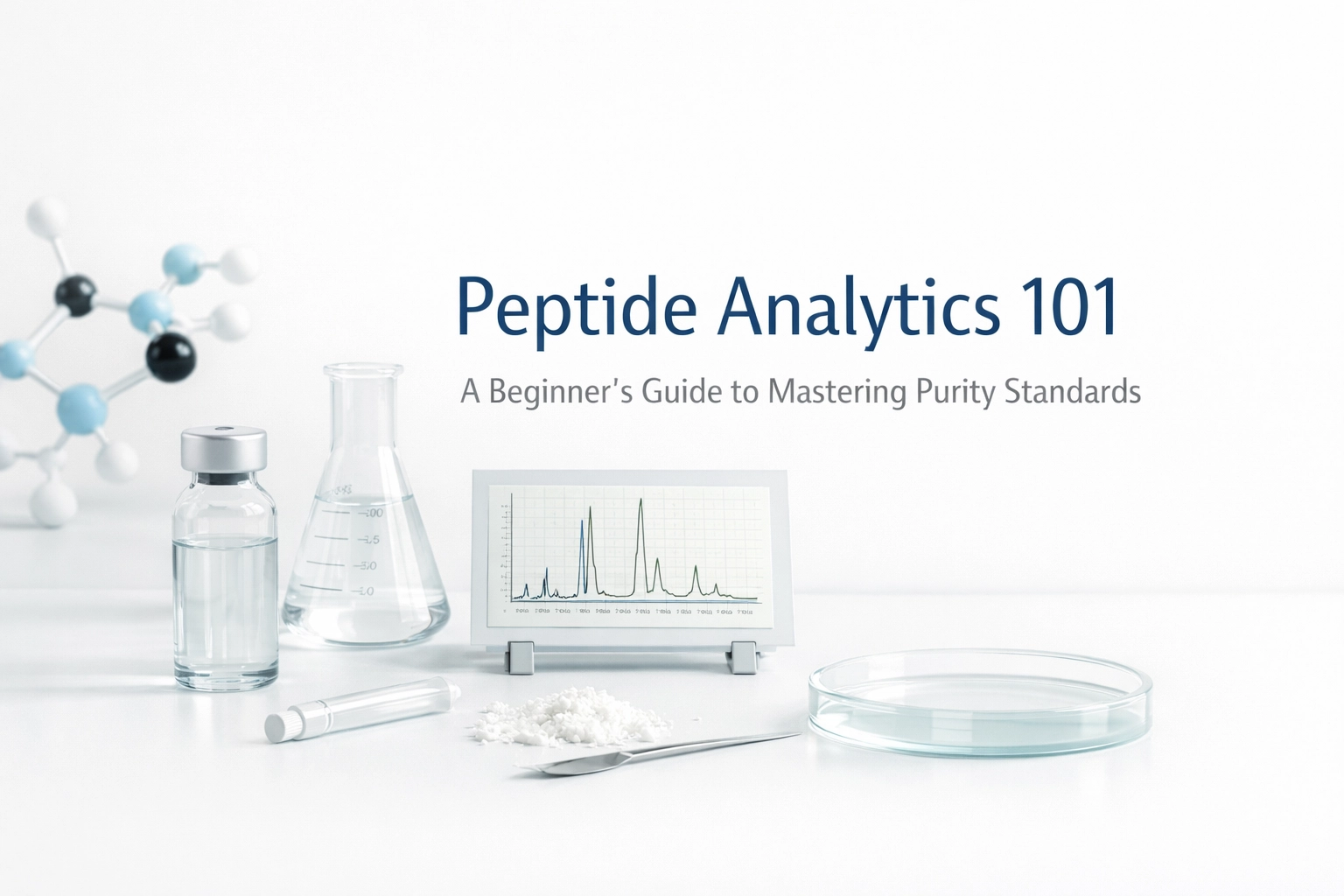
Peptide Analytics 101: A Beginner’s Guide to Mastering Purity Standards
Technical Overview of Peptide Standards Molecular Characterization: Identification via Mass Spectrometry (MS)Primary Analysis: High-Performance Liquid Chromatography (HPLC)Purity Thresholds: ≥98% (Research Grade)Counter-Ion Content: Typically Trifluoroacetic Acid (TFA) or AcetatePhysical State: Lyophilized (Freeze-dried) Powder In the evolving landscape of biotechnology as of March 2026, the precision of peptide analytics serves as the cornerstone of reproducible laboratory results.…
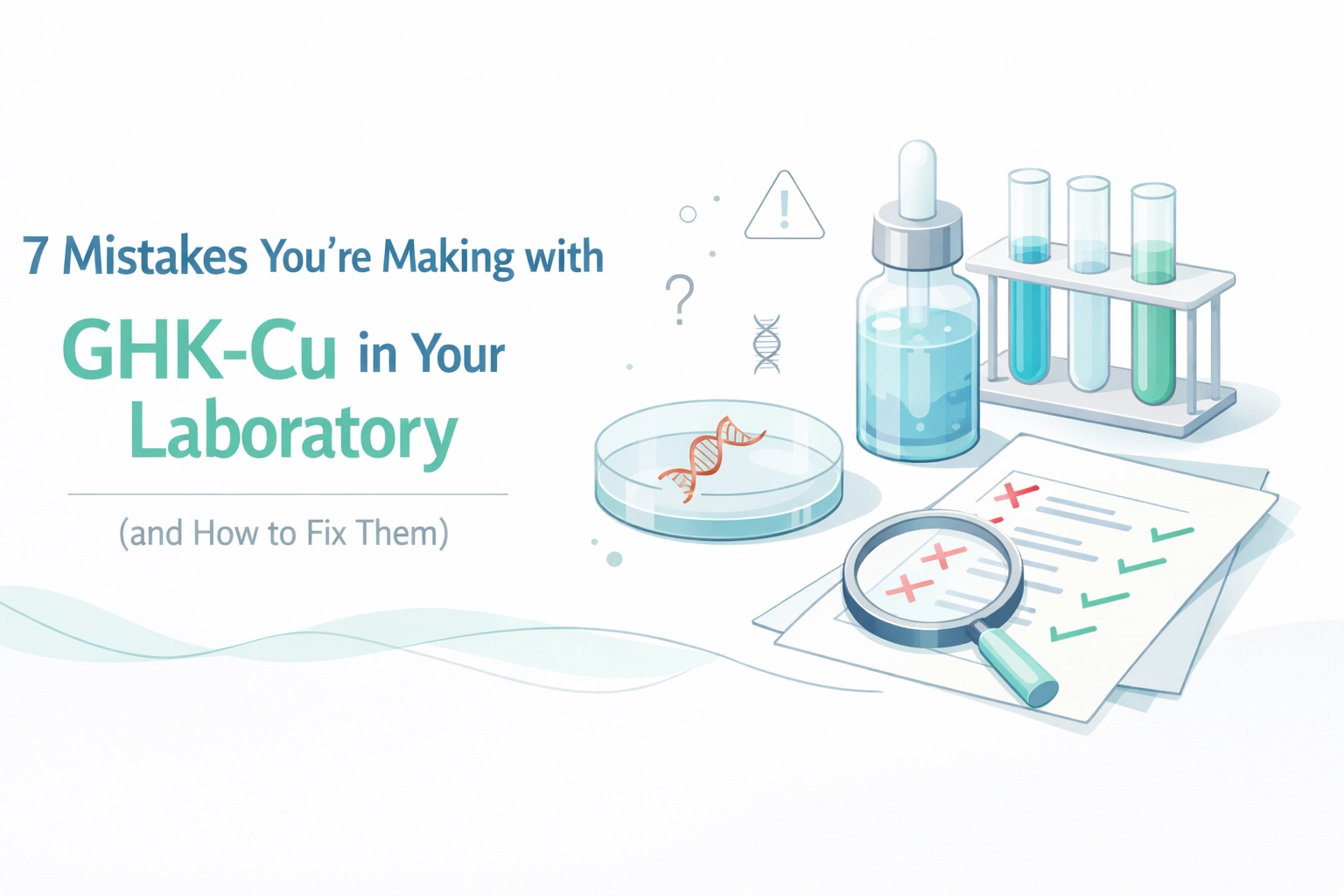
7 Mistakes You’re Making with GHK-Cu in Your Laboratory (and How to Fix Them)
GHK-Cu (Glycyl-L-histidyl-L-lysine copper) is a naturally occurring tripeptide-copper complex first isolated from human plasma. In the field of peptide research, it is recognized for its high affinity for copper (II) ions and its role as a signaling molecule in extracellular matrix remodeling. As a laboratory grade compound, GHK-Cu is extensively utilized in biotech environments to…
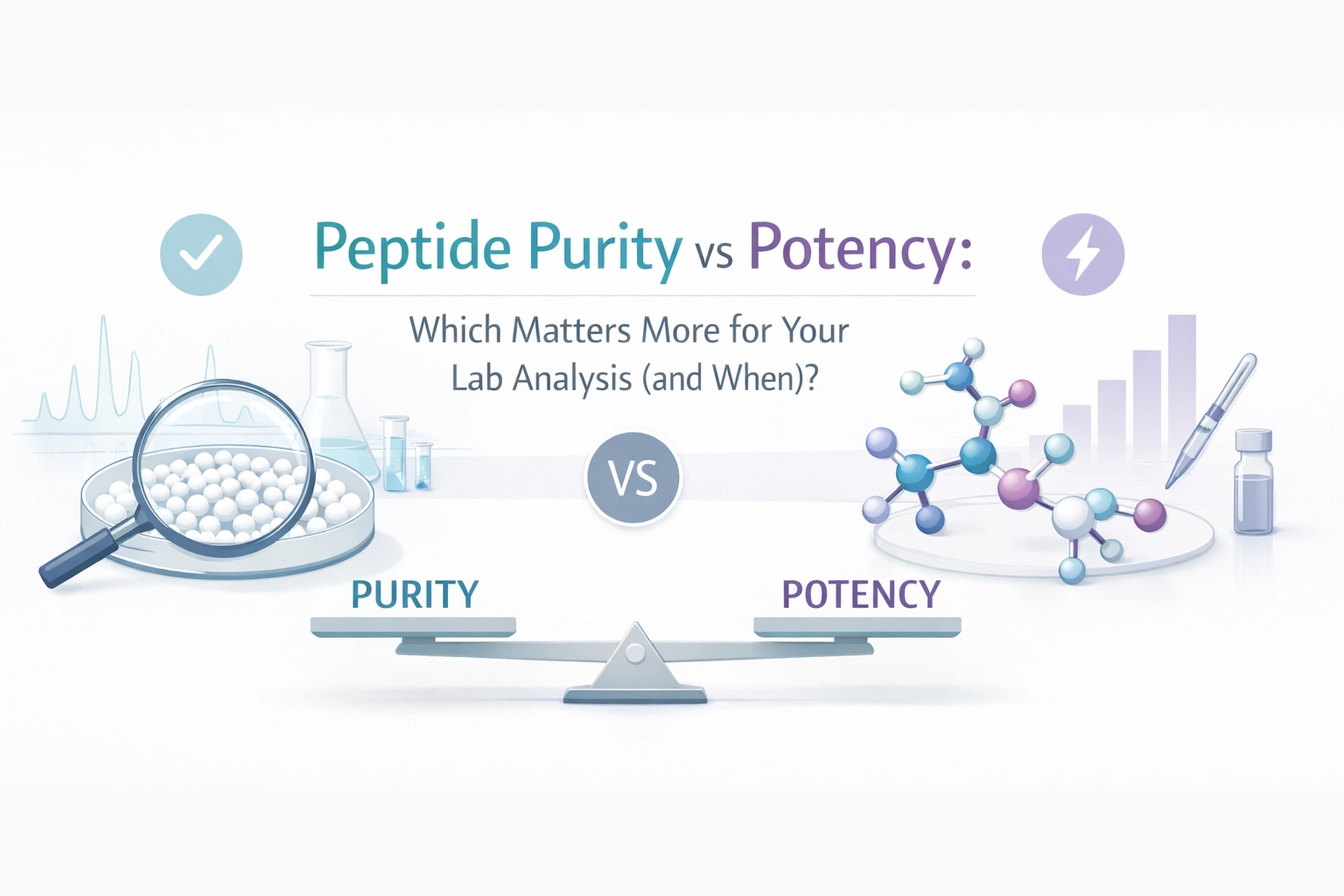
Peptide Purity vs Potency: Which Matters More for Your Lab Analysis (and When)?
In the rigorous landscape of biotechnology and pharmaceutical research, the distinction between peptide purity and peptide potency is often conflated. However, for a laboratory seeking reproducible data and valid experimental outcomes, understanding the nuances of these two metrics is essential. While purity is a measure of the chemical composition and the absence of extraneous substances,…
BPC-157 Matters: What Researchers Know About Cytoprotection, Angiogenesis Signaling, and Why Purity Makes or Breaks Your Data
Molecular Profile of BPC-157 BPC-157 (Body Protection Compound-157) is a synthetic pentadecapeptide derived from a protective protein found in human gastric juice. In laboratory settings, it is investigated for its high stability and systemic effects across various tissue types. Molecular Formula: C62H98N16O22 Molecular Weight: 1419.5 g/mol Amino Acid Sequence: Gly-Pro-Pro-Arg-Pro-Gly-Lys-Pro-Ala-Asp-Asp-Ala-Gly-Leu-Val CAS Number: 137525-51-0 Physical State:…
7 Mistakes You’re Making with BPC 157 and TB-500 Research (and How to Fix Them)
Compound identifiers (for experimental documentation) BPC 157 (Body Protection Compound 157) Class: Synthetic peptide fragment (gastric-derived sequence reported in literature) Commonly referenced length: 15 amino acids Typical salt form in research supply: acetate (varies by supplier) Reported research emphasis: cytoprotection-related signaling modulation; angiogenic and NO-related pathways (context-dependent) TB-500 (Thymosin Beta-4 fragment / TB-500 material in…
- « Previous
- 1
- 2
- 3
- 4
- Next »