Sub-Total: $0.00
Uncategorized

Prostamax: Researching the Peptide Bioregulator for Prostate Health and Cellular Aging
Molecular Specifications Sequence: Lys-Glu-Asp-Pro (KEDP) Molecular Formula: C19H31N5O9 Molecular Weight: 473.5 g/mol Classification: Synthetic Tetrapeptide Bioregulator Purity: ≥ 98% (as determined by HPLC) Target Tissue: Prostate Gland Overview of Prostamax (KEDP) Prostamax is a synthetic tetrapeptide comprised of the amino acids Lysine, Glutamic Acid, Aspartic Acid, and Proline. It belongs to a specialized class of…
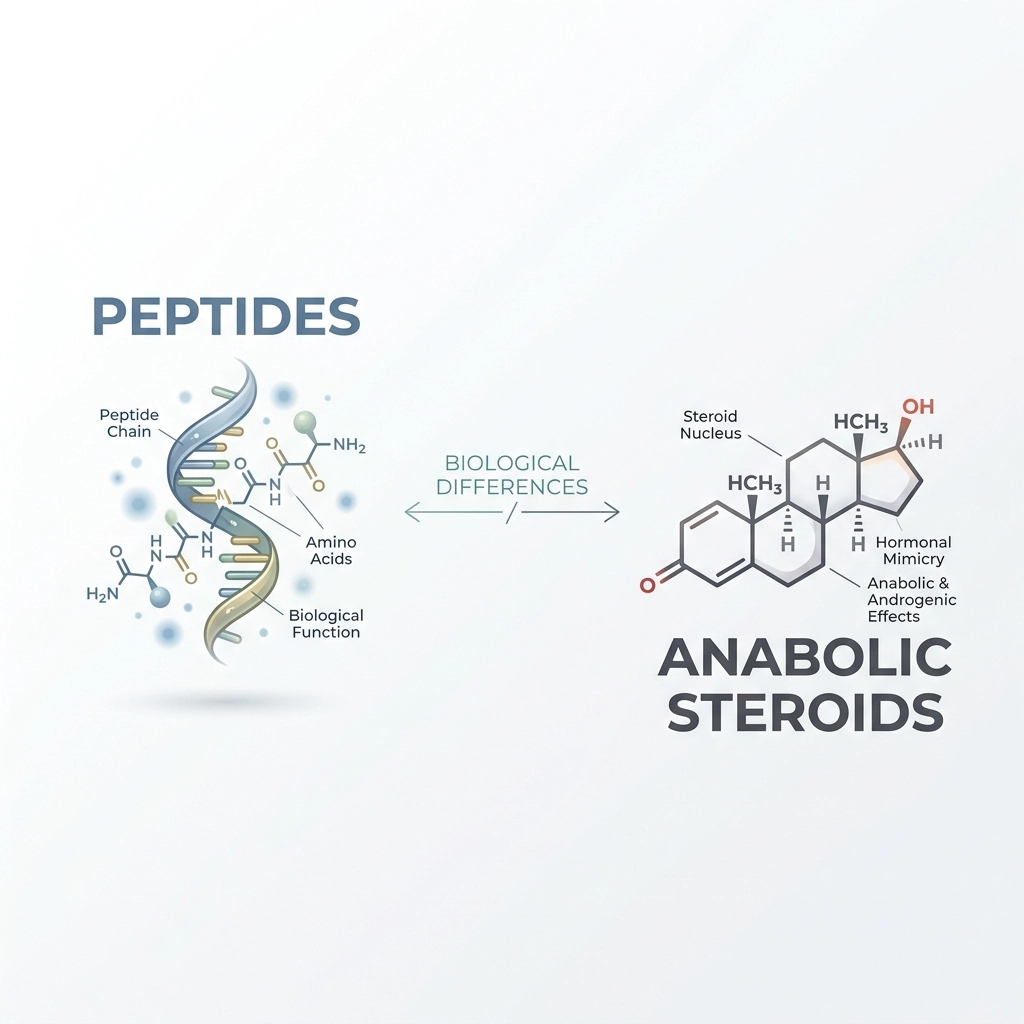
Peptides vs. Anabolic Steroids: Understanding the Biological Differences
The landscape of biochemical research frequently distinguishes between two primary classes of compounds: peptides and anabolic-androgenic steroids (AAS). While both are investigated for their roles in physiological optimization, muscle protein synthesis, and tissue repair, their biological foundations, mechanisms of action, and systemic impacts remain distinct. This blog post explores the structural and functional differences between…

VIP: Researching the Master Regulator of Immune Tolerance and Neuroprotection
In the world of biochemistry, some molecules act as quiet background players, while others demand a "Very Important" designation. VIP (Vasoactive Intestinal Peptide) falls firmly into the latter category. While its name might sound like an exclusive guest list at a high-end gala, this 28-amino-acid peptide is actually one of the most versatile master regulators…
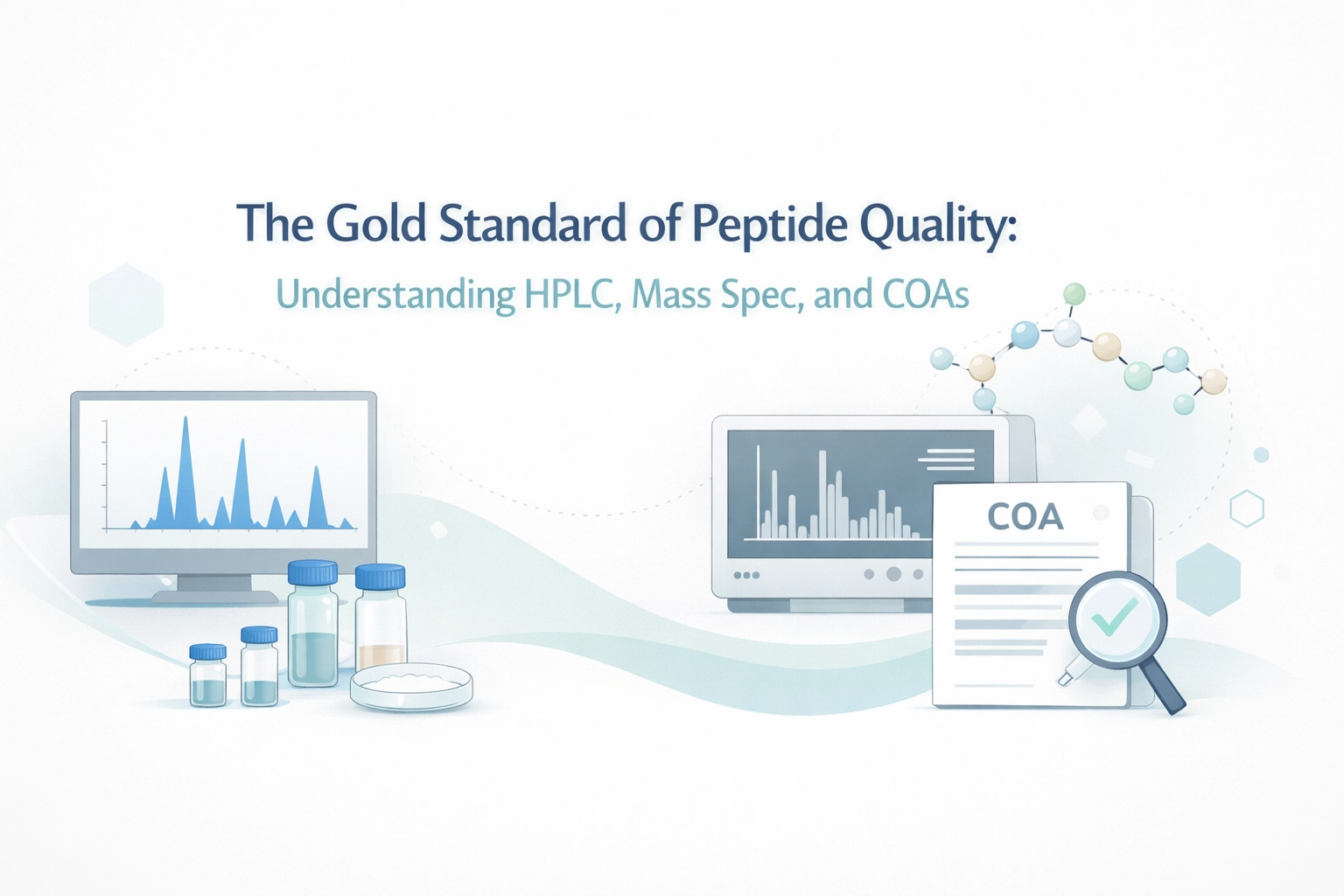
The Gold Standard of Peptide Quality: Understanding HPLC, Mass Spec, and COAs
The integrity of biochemical research is fundamentally dependent upon the quality and characterization of the compounds utilized. Within the field of peptide synthesis, establishing the identity and purity of a material is a multi-step analytical process. For researchers investigating complex molecules such as SMG-1, TZP-2, or RTA-3, the reliance on rigorous testing protocols is essential…
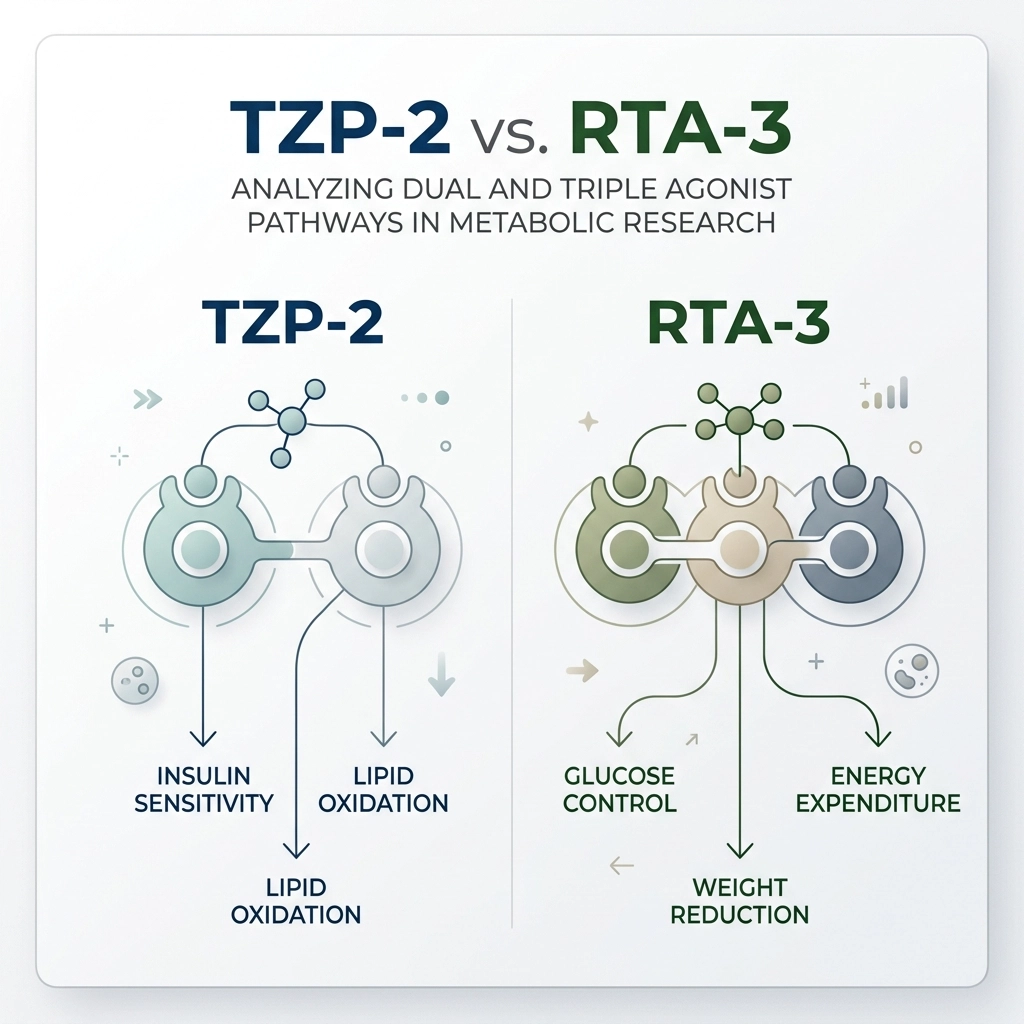
TZP-2 vs. RTA-3: Analyzing Dual and Triple Agonist Pathways in Metabolic Research
The landscape of metabolic research is currently dominated by the exploration of multi-receptor agonists. These compounds, specifically TZP-2 and RTA-3, represent advanced pharmacological strategies designed to mimic and enhance the physiological actions of endogenous incretin hormones. By targeting multiple signaling pathways simultaneously, these research materials allow for a more comprehensive investigation into the complexities of…

Tesamorelin and Ipamorelin: Exploring the Synergistic Potential in GH Axis Research
Molecular Specifications Tesamorelin Molecular Formula: C${221}$H${366}$N${72}$O${67}$S$_{1}$ Molecular Weight: 5135.9 g/mol Sequence: trans-3-hexenoyl-GHRH (1-44) Classification: Growth Hormone-Releasing Hormone (GHRH) Analog Ipamorelin Molecular Formula: C${38}$H${49}$N${9}$O${5}$ Molecular Weight: 711.85 g/mol Sequence: Aib-His-D-2-Nal-D-Phe-Lys-NH2 Classification: Growth Hormone Secretagogue (GHS) / Ghrelin Receptor Agonist The regulation of the Growth Hormone (GH) axis is a sophisticated physiological process involving the hypothalamus, the…

GHRP-6: Researching the Ghrelin Receptor Agonist for Growth Hormone and Neuroprotection Studies
Molecular Specifications Molecular Formula: C46H56N12O6 Molecular Weight: 873.01 g/mol Amino Acid Sequence: His-D-Trp-Ala-Trp-D-Phe-Lys-NH2 CAS Number: 87616-84-0 Format: Lyophilized White Powder Purity: Research grade standards as detailed in Certificate of Analysis (COA) Overview of GHRP-6 in Scientific Research Growth Hormone Releasing Peptide-6 (GHRP-6) is a synthetic hexapeptide classified as a growth hormone secretagogue (GHS). It belongs…

TZP-2: Researching the Dual GIP and GLP-1 Receptor Agonist for Metabolic Studies
Hey Alex! Got the draft ready for TZP-2. I made sure to stick strictly to the research-only focus and used the TZP-2 designation throughout to keep everything compliant. This one dives deep into the dual-agonist synergy that’s making waves in metabolic R&D right now. Let me know if you want to tweak any of the…
Semax: Researching the ACTH-Derived Peptide for Neurotrophic Support
Semax is a synthetic heptapeptide analogue of the adrenocorticotropic hormone (ACTH) fragment 4–10. Specifically composed of the amino acid sequence Met-Glu-His-Phe-Pro-Gly-Pro, the compound has been extensively investigated for its potential neuroprotective and neurotrophic properties. Unlike the endogenous ACTH from which it is derived, this peptide has been engineered for metabolic stability and lacks systemic hormonal…

Selank: Researching the Anxiolytic Peptide Analog of Tuftsin
Technical Specifications Molecular Formula: C33H57N11O9 Molecular Weight: 751.9 g/mol Sequence: Thr-Lys-Pro-Arg-Pro-Gly-Pro (L-Threonyl-L-lysyl-L-prolyl-L-arginyl-L-prolyl-glycyl-L-proline) CAS Number: 129954-34-3 PubChem CID: 11765600 Purity: >98% (as established via HPLC) Physical State: Lyophilized powder Overview of Selank Selank is a synthetic heptapeptide categorized as an anxiolytic (anxiety-reducing) agent with potential nootropic (cognitive-enhancing) properties. Developed at the Institute of Molecular Genetics of…